



In the modern corporate management landscape, if finance is the lifeblood that sustains an organization, then the Human Resources (HR) department is the brain that shapes its stature. Human resources are not merely a factor of production; they are a strategic asset that directly dictates the competitive capacity and survival of a business.
This in-depth article from InfoAsia will provide a comprehensive perspective on the essence of the HR industry, dissect its core functions, and pinpoint the breakthrough management trends currently shaping businesses.
1. What is the True Essence of HR?
1.1 In-Depth Concept
HR (Human Resources) represents the entire workforce dedicating their efforts to an organization. The Human Resources department is a specialized unit responsible for the strategic management and optimization of the Employee Lifecycle – from the initial point of contact (recruitment), onboarding, capacity development, performance maintenance, right through to the employee’s departure from the organization. The core mission extends far beyond administrative tasks; HR acts as the “architect” designing the organizational culture, ensuring the company attracts the right talent, places them in the right roles, and provides an ideal working ecosystem for them to maximize their potential.
1.2 The Ultimate Objectives of the HR Department
HR
- Resource Strategization: Ensuring the business consistently possesses an outstanding workforce that perfectly aligns with long-term business visions and goals.
- Environment Creation: Cultivating a transparent, equitable, and inspiring corporate culture where employees are motivated to contribute.
- Value Optimization: Attracting and retaining talent while continuously investing in training programs to elevate the core competencies of the organization.
2. Core Functions of the HR Management System
HR
To ensure smooth operations, the HR department must execute the following functional pillars with excellence:
- HR Planning: Accurately forecasting future needs based on the business strategy. This enables the company to proactively attract talent, prevent sudden staff surpluses or shortages, and optimize operational costs.
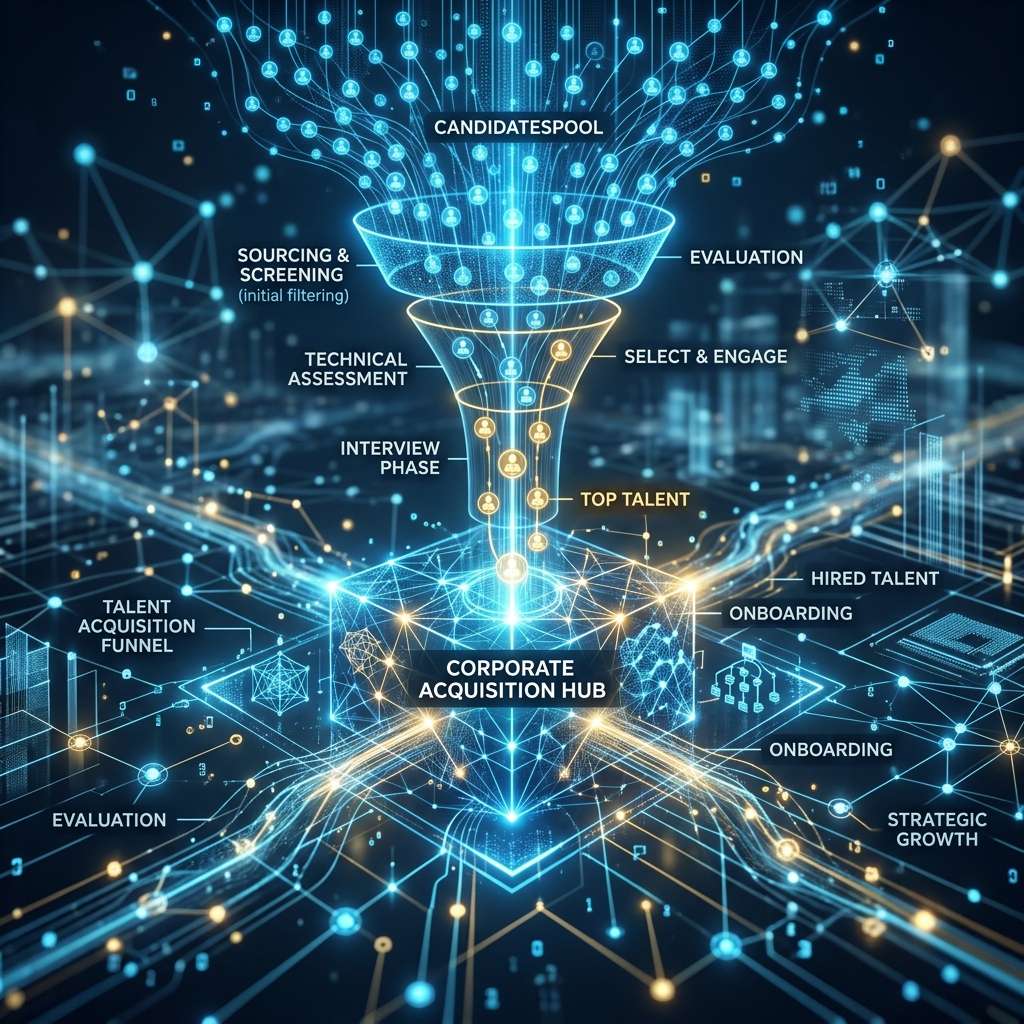
- Talent Acquisition: Building an employer brand, designing a scientific screening process, and utilizing in-depth interview techniques to select individuals who are a Cultural Fit with the organization’s value system.
- HR Administration: Maintaining the absolute accuracy of the employee database, managing timekeeping and leave systems, processing employment contracts, and ensuring strict legal compliance.
- Compensation & Benefits (C&B): Designing competitive salary structures and establishing attractive benefits packages to maintain motivation. Budgets must be allocated transparently and in compliance with tax and insurance regulations.
- Learning & Development (L&D): Designing career development paths, organizing training to enhance skills (Upskilling/Reskilling), and fostering a culture of continuous learning to deliver a long-term competitive advantage.
- Employee Relations: Acting as a bridge to balance the interests between business owners and employees, addressing grievances, resolving internal conflicts, and negotiating collective labor agreements.
- Corporate Culture Development: Leading and propagating core values through internal communications, team-building events, and recognition policies.

3. Exploring Key Roles in the HR Apparatus
HR
Depending on the scale, a professional apparatus will be composed of specialized positions:
- Chief Human Resources Officer (CHRO): A C-level position acting as the chief strategic architect. The CHRO works directly with the Board of Directors to shape the organizational structure and lead cultural change initiatives.
- HR Manager: Directing strategy execution, overseeing daily operations, advising other department heads, and managing the budget.
- Compensation & Benefits (C&B) Specialist: Formulating salary structures, conducting market salary surveys, and managing insurance and welfare funds.
- Talent Acquisition Specialist: Promoting the employer brand, analyzing the labor market, and applying Assessment Tools to headhunt candidates.
- Learning & Development (L&D) Specialist: Managing training programs, evaluating the ROI of Training, and advising on Individual Development Plans (IDP).
- Internal Communications (IC) Specialist: Building internal communication channels, disseminating leadership messages, and designing campaigns to boost Employee Engagement.
- HR Admin: Managing the Human Resources Information System (HRIS), processing contracts, insurance, and timekeeping procedures, and supporting daily operations.
4. The Competency Profile of a Modern HR Professional
HR
To succeed in this industry, specialized knowledge of labor laws or procedures is not enough. An outstanding professional must be equipped with a comprehensive skill set:
- Active Listening and Empathy: Grasping the thoughts and aspirations of employees to resolve conflicts reasonably and build trust.
- Negotiation and Persuasion: Negotiating salaries with candidates, bargaining contracts with benefits service providers, and persuading the Board of Directors to approve budgets.
- Change Management: Flexibly adjusting strategies to adapt to market fluctuations or internal restructuring phases.
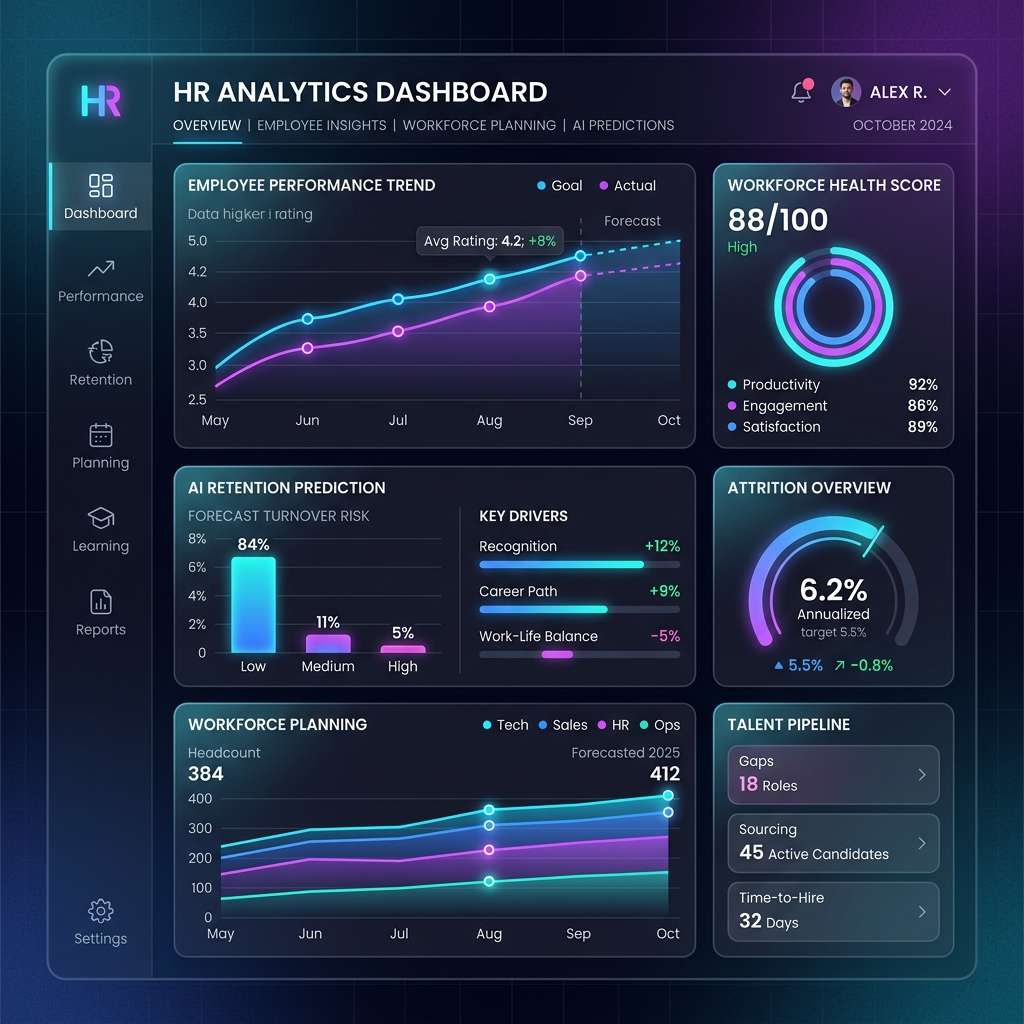
- Technological Mindset and Data Analysis: Proficiency in core management systems, Applicant Tracking Systems (ATS), ERP systems, and the ability to analyze data to produce accurate management forecasts.
5. Trends Shaping Human Resources Management
HR
The resource management industry is undergoing a powerful digital transformation. Below are the dominant trends reshaping operational methods:
- The Rise of the HRBP (HR Business Partner) Model: HRBP experts do not intervene deeply in daily administrative matters; instead, they operate as strategic advisors, partnering with Division Directors to solve performance and organizational structure challenges.
- Shift Towards Employee Experience: Modern businesses focus on designing a seamless, personalized work journey, from the application stage to departure, in order to attract and retain the younger workforce generation.
- Agile Management of a Distributed Workforce (Hybrid/Remote Work): Designing performance evaluation policies based on results (Result-oriented) rather than physical presence, while leveraging digital platforms to maintain culture and engagement.
6. Conclusion
The modern HR department is no longer a Cost Center but has evolved into a Value Center. HR professionals are the designers of a robust framework for the business, connecting outstanding individuals into a cohesive and agile collective.
Upgrading the management system, adopting digital technology, and empowering the management team are the most astute strategic investments any leader can make to ensure the sustainable growth of the organization.

InfoAsia Việt Nam trở thành nhà cung cấp dịch vụ phần mềm số hóa nhà máy sản xuất cho thương hiệu giày hàng đầu thế giới NEW BALANCE
Công ty TNHH Mây Tre Hà Linh
SAP ERP MES and IOT Project for FVIV Factor
Buwon Industry Co, Ltd
KANGLONGDA VIETNAM PROTECTION TECHNOLOGY COMPANY LIMITED
Shini Group
TA TING PLASTIC (HAI DUONG ) CO., LTD
CÔNG TY TNHH MTV BIÊN HOA SCM