




Executive Summary: An in-depth analysis of the convergence between Artificial Intelligence and Enterprise Resource Planning (AI ERP) systems. This article provides a classification framework of 7 technology pillars according to Harvard Business Review, a detailed comparison table, quantitative real-world performance metrics, and a practical perspective from a reputable implementation partner, InfoAsia.
In the fast-paced digital economy, competitive pressure forces manufacturing and trading enterprises to continuously optimize their operational workflows. Traditional Enterprise Resource Planning (ERP) systems have long served as the “backbone” storing all core data. However, when integrated with Artificial Intelligence, an AI ERP system goes beyond merely recording historical data; it transforms into a smart coordination center that automatically forecasts trends and makes strategic decisions in real-time.
Integrating Artificial Intelligence (AI) transforms ERP into a smart coordination center
1. How does an ERP system take shape and operate?
At a conceptual level, ERP is a business management software solution that consolidates an organization’s core business processes, operating in real-time backed by modern technological infrastructure.
- From a practical standpoint, this system organizes, synchronizes, and automates daily operations such as accounting, project management, supply chain coordination, and warehouse control.
- When customized and configured closely to specific business models, an ERP system elevates operational capacity to new heights, significantly improving customer response times, increasing employee satisfaction, and optimizing net profit margins.
- For internal functional blocks like finance, accounting, or human resources, the system’s support potential is virtually limitless. Acting as a central coordinating mechanism, this solution streamlines the flow of information, turning standardized business processes into a core competitive advantage in the market.
Any business organization, regardless of size or industry, seeking to streamline operations and ensure data transparency can successfully adopt this software model.
2. What exactly is Artificial Intelligence (AI)?
Artificial Intelligence (AI) is a specialized branch of computer science focused on building and training machines capable of executing tasks that typically require human cognition, reasoning, and judgment.
In daily life, we encounter and interact with AI technology through smart virtual assistants, automated voice recognition platforms, or content recommendation systems on streaming entertainment services.
When applied in a corporate environment, the value AI brings is immense: fully automating tasks that demand processing massive volumes of data, supporting data visualization, and ensuring transparent governance. This intelligent system can read and understand text, engage in conversational interactions, respond automatically, forecast fluctuations, and execute complex transactions with high precision.

This image serves as an illustration for the article to help readers understand better)
Artificial Intelligence automates and processes massive volumes of data
3. The 7-pillar AI classification model in modern management
Based on strategic research and a classification framework from the renowned Harvard Business Review, artificial intelligence comprises 7 core technology groups. When applied to enterprise management systems, each group plays a specialized role:
- AIOps (Artificial Intelligence for IT Operations): Analyzes large datasets generated from technological infrastructure and server systems to automatically detect, diagnose, and resolve technical issues in real-time, ensuring the AI ERP system runs stably 24/7.
- Computer Vision: Trains digital systems to analyze, recognize, and extract digital images. In businesses, this technology is integrated into production lines or warehouses for automated surface defect inspection (QC) or automatic barcode and parcel recognition.
- Explainable AI: Provides mechanisms for managers to see through the algorithmic “black box”, helping humans clearly understand the reasoning and logical basis behind every AI forecast result, thereby building trust in business decision-making.
- Machine Learning: Feeds massive data sequences into algorithmic models so the system automatically identifies patterns, learns from errors, and continuously improves accuracy over time (e.g., search engines or data recommendation algorithms).
- Deep Learning: An advanced branch of machine learning utilizing multi-layer neural networks, specialized in processing complex recognition tasks with colossal amounts of data that standard models cannot handle.
- Natural Language Processing (NLP): Empowers machines to receive, analyze, interpret, and interact using human language. Within an AI ERP, NLP drives virtual assistants for document lookup, operational support chatbots, or automated analysis of emails and contracts.
- Robotic Process Automation (RPA): Uses software “bots” to schedule and automate repetitive tasks based on predefined logical rules, freeing up personnel from tedious manual work.
4. Operational mechanism: How does AI transform workflows in ERP?
The fusion of AI and enterprise resource planning systems directly impacts every daily business stage:
- Big Data Analytics: AI continuously scans historical data repositories across all modules to uncover hidden correlations, providing immediate, comprehensive insights into financial status or market fluctuations.
- Intelligent Automation: The combination of RPA and machine learning enables the system to automatically reconcile bank statements, match purchase orders with invoices, and create optimal production schedules without heavy manual intervention.
- Predictive Machine Learning: Instead of passively recording past events, an AI ERP utilizes predictive models to forewarn of supply chain disruptions, cash flow volatility, or risks of raw material depletion.
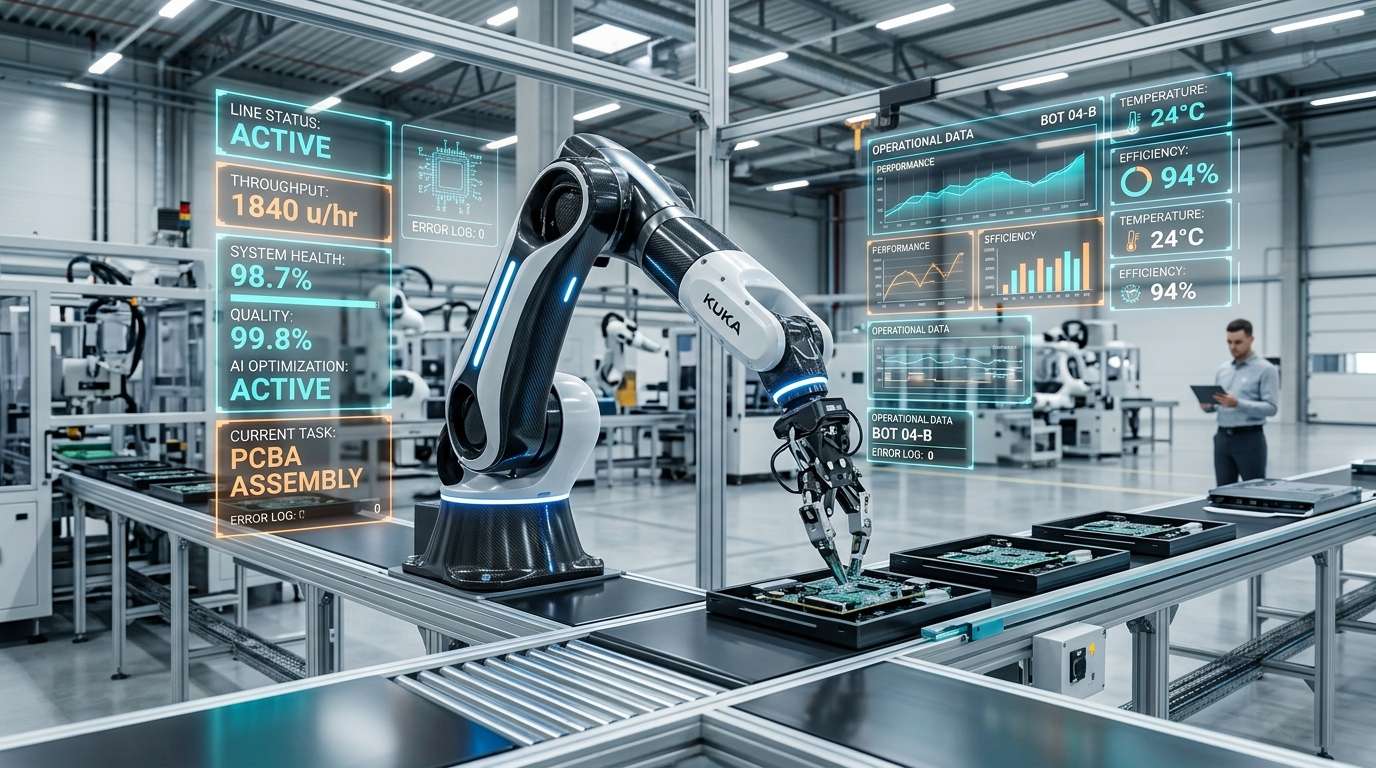
This image serves as an illustration for the article to help readers understand better)
AI transforms workflows through data mining and automation
5. Detailed comparison table: Traditional ERP vs. AI-Integrated ERP
To provide managers with a visual and multi-dimensional perspective when considering technology investments, the comparison table below highlights the core differences:
| Comparison Criteria | Traditional ERP System (Standard ERP) | AI-Integrated ERP System (AI ERP) |
|---|---|---|
| Input Data Processing | Only processes structured data; relies entirely on manual human data entry. | Simultaneously processes both structured and unstructured data (text, images, audio, system logs) at high speed. |
| Nature of Analytics | Descriptive Analytics: Reports what happened in the past through static charts. | Predictive & Prescriptive Analytics: Forewarns of risks and recommends specific actions before events occur. |
| Production & Warehouse Planning | Operates on static rules; requires manual intervention from coordination teams when line issues arise. | Automatically balances machine loads, optimizes production schedules, and auto-reorders based on real-time demand forecasts. |
| Interaction & Customer Care | Manual lookup operations via interfaces; customer care processes rely on staff actions. | Integrates smart virtual assistants, personalizes user experiences, automatically answers queries, and recommends products based on actual behavior. |
| Error & Risk Detection | Detects errors after a process is complete (e.g., finding inventory discrepancies or accounting entry errors at the end of an accounting period). | Continuous real-time monitoring, proactively detecting early signs of anomalies, financial fraud, or equipment malfunction. |
6. Practical applications and quantitative performance metrics
Referencing modern manufacturing technology orientation documents and specialized solution ecosystems (like research from partner Boyum Solutions), AI in an ERP system generates distinct, practical value with telling numbers for senior managers:
- In Manufacturing & Supply Chain Management (Manufacturing & APS/MRP): AI optimizes material requirement planning using MRP software and advanced production scheduling (APS software). This solution boosts machine productivity by 15% by minimizing line downtime and maintaining safe inventory levels, avoiding capital tie-ups.
- In Warehousing and Logistics: Applying computer vision and automation reduces inventory check times by 30%, optimizes internal transport routes, and enhances accuracy in goods receipt and dispatch.
- In Accounting & Financial Management: Automating cash flow reconciliation and e-invoice processing cuts the monthly financial closing time by 40%, while early detecting budget overruns or anomalies related to regulatory compliance.
- In Human Resource Management (HRM): Supports automated candidate resume screening based on competency criteria, evaluates work performance using transparent quantitative data, and recommends tailored training pathways for each individual.

This image serves as an illustration for the article to help readers understand better)
Optimizing production and logistics with practical quantitative data
7. AI-integrated ERP consulting and implementation unit: The role of InfoAsia
Introducing artificial intelligence technology into a complex architecture like an ERP requires a consulting unit with extensive practical experience and deep knowledge of both software technology and actual business operational structures.
- Origin and Foundation: InfoAsia is an affiliate of Cadmen Corporation (Taiwan). Established in 1980, Cadmen is a pioneer in Taiwan’s professional technology services sector, maintaining its position as an exclusive gold partner of SAP systems in the region early on and leading the industrial software market share since the 1990s.
- Value Brought to Vietnamese Enterprises: Fully inheriting that technological legacy and advanced methodology, InfoAsia asserts its role as a comprehensive business solution consulting and implementation partner. InfoAsia’s team of experts assists manufacturing and trading enterprises in mapping out a methodical digital transformation roadmap, customizing the system closely to actual operations, mitigating technical risks, and optimizing investment costs to achieve the highest return on investment (ROI) in the shortest possible time.
8. Frequently Asked Questions (FAQ) about AI ERP
To help managers quickly resolve core queries before investing in technological infrastructure, below is a compilation of common questions:
Q1: Do small and medium-sized enterprises (SMEs) need to invest in an AI ERP immediately?
Answer: Investment depends on supply chain complexity and the volume of data the business processes. However, fast-growing SMEs or those operating in manufacturing and trading can start with core modules integrating basic AI to optimize inventory and reduce operational costs from the early stages.
Q2: What is the biggest difference between AIOps and RPA in an AI ERP system?
Answer: AIOps focuses on real-time automated monitoring, analysis, and resolution of IT infrastructure issues; whereas RPA (Robotic Process Automation) uses software “bots” to execute repetitive office tasks based on predefined rules (such as data entry or document reconciliation).
Q3: How long does it take to implement an AI ERP system through partner InfoAsia?
Answer: Implementation time depends on business size and the scope of modules applied. Typically, a standard project for an SME takes 3 to 6 months, while more complex projects for large manufacturing enterprises have a roadmap of 9 to 18 months, accompanied closely by InfoAsia’s expert team.
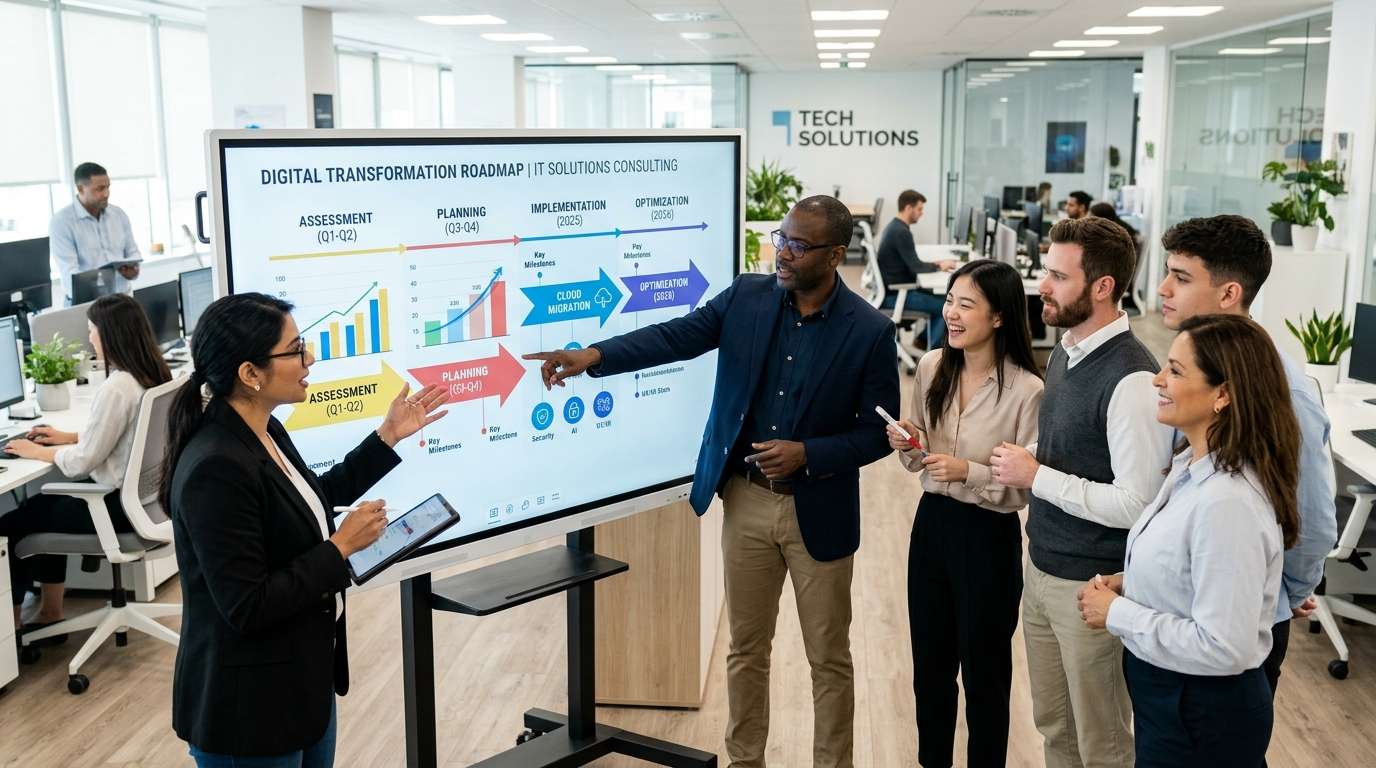
This image serves as an illustration for the article to help readers understand better)
InfoAsia’s team of experts consulting and implementing AI ERP
9. Conclusion: Should businesses invest in AI ERP right now?
Integrating artificial intelligence into an ERP system is not simply a superficial technology trend but a strategic key that helps businesses break through competitive capabilities in the digital era. For managers, the question is no longer “Should we apply it or not?” but rather “When is the best time to execute the transformation?”.
A prudent investment strategy, combined with the practical companionship capabilities of experienced consulting units like InfoAsia, will help businesses proactively master technology, maximally streamline operating costs, and build a solid development foundation for the future.

InfoAsia Việt Nam trở thành nhà cung cấp dịch vụ phần mềm số hóa nhà máy sản xuất cho thương hiệu giày hàng đầu thế giới NEW BALANCE
Công ty TNHH Mây Tre Hà Linh
SAP ERP MES and IOT Project for FVIV Factor
Buwon Industry Co, Ltd
KANGLONGDA VIETNAM PROTECTION TECHNOLOGY COMPANY LIMITED
Shini Group
TA TING PLASTIC (HAI DUONG ) CO., LTD
CÔNG TY TNHH MTV BIÊN HOA SCM