




The success of an ERP implementation depends up to 70% on the capability of a reputable consulting company in Vietnam. In today’s context, the enterprise resource planning (ERP) system acts as the “central nervous system,” connecting data from all departments into a unified stream. However, according to real-world data from major technology firms, purchasing software licenses accounts for only 30% of a digital transformation project’s success rate. The remaining 70% lies in the process of building system architecture, establishing data, and training people. This is why specialized consulting partners like InfoAsia become an indispensable strategic launchpad for businesses.

Choosing the right partner is decisive, much like selecting a chief architect to build a skyscraper: the blueprint (software) might be excellent, but the builder (implementation unit) is the ultimate factor in determining whether the building is structurally sound, fully optimized for practical use, and able to withstand future business fluctuations.
1. The Vital Role of an ERP Implementation Company
A professional ERP implementation company is not merely someone who “installs software.” Their true role lies in restructuring overall business processes and managing technical risks:
- Gap Analysis and Restandardization: The partner will evaluate the discrepancy between the business’s current operational processes (As-Is) and the standard processes (To-Be) pre-designed in the ERP system. From there, they propose methods to streamline workflows to minimize software customization, helping the system operate stably and upgrade easily.
- Solving Core Problems with First-Principles Thinking: Implementation experts will uncover the root causes of operational “bottlenecks.” For example: Why are there always inventory discrepancies? Why is the financial closing lead time so long? Instead of merely digitizing old manual methods, they will establish an automated data workflow to thoroughly resolve issues right from the data entry stage.
- Large Data Management (Data Migration): An ERP system is worthless if the input data is garbage (Garbage In, Garbage Out). The consulting company will design ETL (Extract, Transform, Load) tools to clean, map, and migrate data from the legacy system to the new ERP flawlessly.
- Change Management: Digital transformation is a people problem. Supporting personnel training helps end-users overcome the psychological barrier of switching from isolated Excel spreadsheets to a tightly integrated process management system.
2. Core Criteria When Choosing an Implementation Partner in Vietnam
The Vietnamese technology market currently features many software service providers. To filter out a truly high-quality ERP implementation company, the board of directors must adhere to these strict criteria:
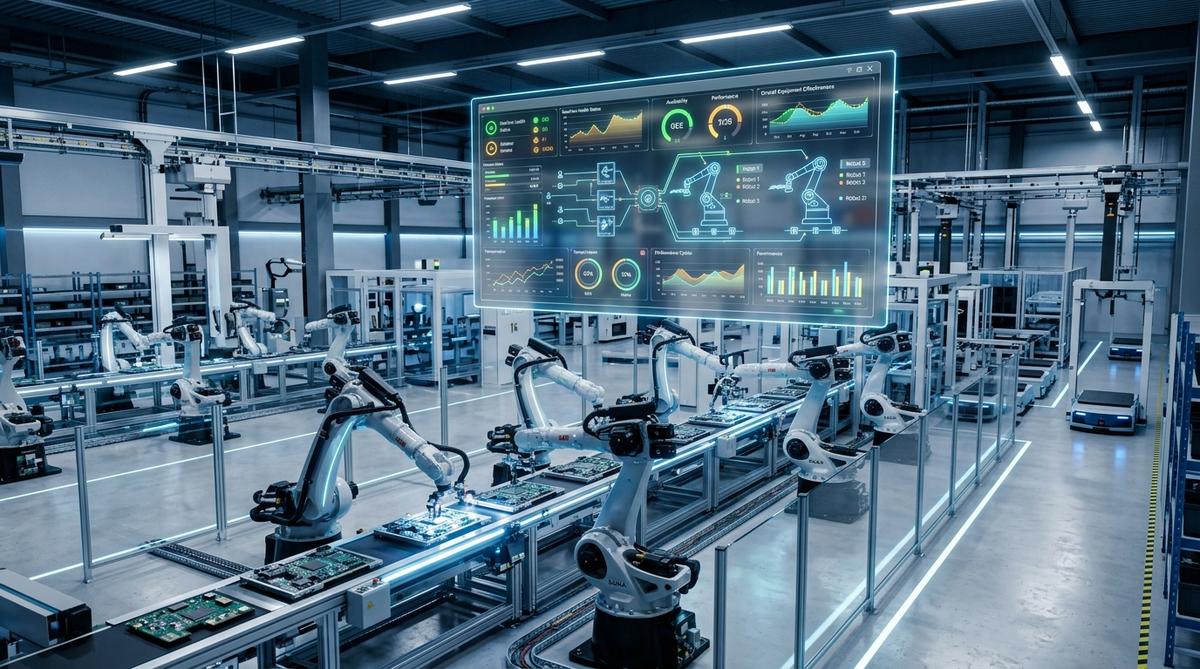
- Industry Expertise and Domain Knowledge: The partner must have practical battle-tested experience in your specific industry. A team strong in Management Accounting and Production Control will know how to establish a multi-level costing system for a component manufacturing plant, something that distribution-focused units cannot optimally design.
- Core Technology Platform: Is the partner an official representative for global standard platforms? The capability to implement powerful core systems like SAP Business One (SAP B1) is a huge plus, proving they have passed the rigorous competency tests of global software corporations.
- Extended Solution Ecosystem: An excellent ERP implementation company will understand that the core system sometimes needs to integrate with satellite software (MES systems in factories, smart WMS warehouse management, or e-Invoice systems) via standardized APIs to create a closed-loop digital supply chain.
3. Standard 5-Step International ERP Implementation Process
To ensure the project stays on track, controls risks well, and does not exceed the budget, a standard ERP implementation company will apply international methodologies (like the SAP ASAP methodology) with a strict 5-step roadmap:
- Step 1: Survey and Business Blueprinting: Experts will establish a detailed Blueprint document outlining all data flows, reports, and authorizations.
- Step 2: System Configuration and Customization: The technical team proceeds to set up the system. Customizations will be kept to a minimum to ensure stability and easy future upgrades.
- Step 3: Data Migration: Data from legacy systems or Excel files will be cleaned, standardized, and mapped using ETL tools before being pushed into the new ERP system, ensuring absolute integrity (Single Source of Truth).

- Step 4: User Acceptance Testing and Training (UAT & User Training): The system is moved to a Staging environment. The business’s Key Users will directly execute real-world scenarios. Simultaneously, the implementation partner will organize formal training to help personnel overcome psychological barriers when changing work tools.
- Step 5: Go-Live and Post-Support: Data is transitioned to the Production environment. The partner provides post-Go-Live support commitments (SLA) to maintain, fine-tune the system, and resolve any issues arising during the first financial closing periods.
4. InfoAsia – Consulting Partner and Comprehensive Management Ecosystem
Standing out in Vietnam’s technology landscape, InfoAsia has risen as a specialized ERP implementation company, making a strong mark by bringing international standard systems into practical application for domestic businesses with an outstanding successful implementation rate.

InfoAsia’s Core Strengths:
– Experts with Deep Understanding of the SAP System: InfoAsia’s consulting team (Functional & Technical Consultants) possesses the capability to smoothly handle the most complex modules, especially Supply Chain Management (SCM) and Actual Costing.
– Integrated Software Ecosystem: Not stopping at ERP, InfoAsia provides a seamless digital transformation ecosystem. A prime example is the integration of ERP with the InfoAsia e-Office electronic office system via standardized API protocols, connecting smoothly from back-office production operations to daily front-office administrative approval processes.
– Commitment to Long-Term Companionship: More than just a software provider, InfoAsia positions itself as a “companion.” All complex management concepts are explained through practical examples, helping the board of directors easily make decisions and end-users confidently operate.
FAQs
Q: What size of business should start implementing ERP?
A: Any business where data streams start becoming fragmented (using too many disparate software programs, independent Excel files), facing difficulties consolidating month-end financial reports, or dealing with complex supply chains needs ERP. Usually, medium and large enterprises (Mid-market & Enterprise) will achieve the highest ROI (Return on Investment).
Q: How long does an ERP implementation in Vietnam usually take?
A: Depending on the business size and process complexity, an international standard ERP implementation project typically lasts from 3 to 6 months for platforms like SAP Business One. More complex systems (integrating multiple factories, multinational) can take up to 1 year.
Q: What is the biggest risk that causes an ERP implementation project to fail, and how can it be avoided?
A: The biggest risk is the lack of commitment from the Board of Directors and end-users refusing to change old working habits. Next is garbage input data errors. To prevent this, businesses need to collaborate closely with the consulting partner during Change Management and rigorously clean data before loading it into the system.
Q: Is it feasible to integrate legacy software systems into the new ERP?
A: It is completely feasible if the legacy system supports automated data export or has open API communication ports. However, system architects generally recommend replacing legacy software that no longer meets architectural standards to ensure all data is centralized (Single Source of Truth), avoiding costly parallel maintenance of multiple systems.
Q: Approximately how much does it cost to hire an ERP implementation company?
A: The implementation cost is usually equal to or greater than the cost of purchasing software licenses. It depends on the number of modules, the level of customization, and the number of users. Please contact InfoAsia for expert consultation on the most optimal technology investment budget allocation roadmap.
Conclusion
Applying a management system is a long-term journey that requires serious investment in both finances and human resources. Partnering with a reputable ERP implementation company in Vietnam — with solid technological capabilities, precise methodologies, and deep business understanding like InfoAsia — is the most decisive strategic move. A right-fit partner will transform the software system from a passive data entry tool into a powerful analytical “brain,” helping businesses optimize capital resources, eliminate waste, and accelerate expansion in the digital economy era.

InfoAsia Việt Nam trở thành nhà cung cấp dịch vụ phần mềm số hóa nhà máy sản xuất cho thương hiệu giày hàng đầu thế giới NEW BALANCE
Công ty TNHH Mây Tre Hà Linh
SAP ERP MES and IOT Project for FVIV Factor
Buwon Industry Co, Ltd
KANGLONGDA VIETNAM PROTECTION TECHNOLOGY COMPANY LIMITED
Shini Group
TA TING PLASTIC (HAI DUONG ) CO., LTD
CÔNG TY TNHH MTV BIÊN HOA SCM