




In the modern manufacturing landscape, as profit margins shrink, businesses can no longer rely on manual ledgers or fragmented Excel spreadsheets to manage thousands of components and hundreds of workers on the shop floor. A machine suddenly stopping at 2 AM due to a lack of raw materials, or a batch of products being returned by international customers for unknown reasons, can “burn” an entire quarter’s profit. To truly master the assembly line, a Manufacturing Execution System (MES) has become a mandatory foundation. However, MES is a highly specialized system that intricately combines software and hardware. Therefore, selecting an MES implementation company with deep expertise in operational workflows and factory cost structures is the determining factor in the success of any digital transformation project.
Key Takeaways:
- MES acts as the “interpreter” between the management layer (ERP) and the machine control layer (SCADA/PLC), ensuring seamless data flow.
- The power of MES lies in its core modules: Routing, WIP (Work-in-Progress) Accounting, OEE Measurement, and Traceability.
- The biggest risk during implementation is the data disconnect between the shop floor and the accounting department, along with bottlenecks in Data Capture.
- InfoAsia is a leading MES implementation company, seamlessly integrating the SAP ERP ecosystem with Beas Manufacturing, and applying IoT/RFID to eliminate data latency.
1. The Core Nature and Power of the MES System (First-Principles)
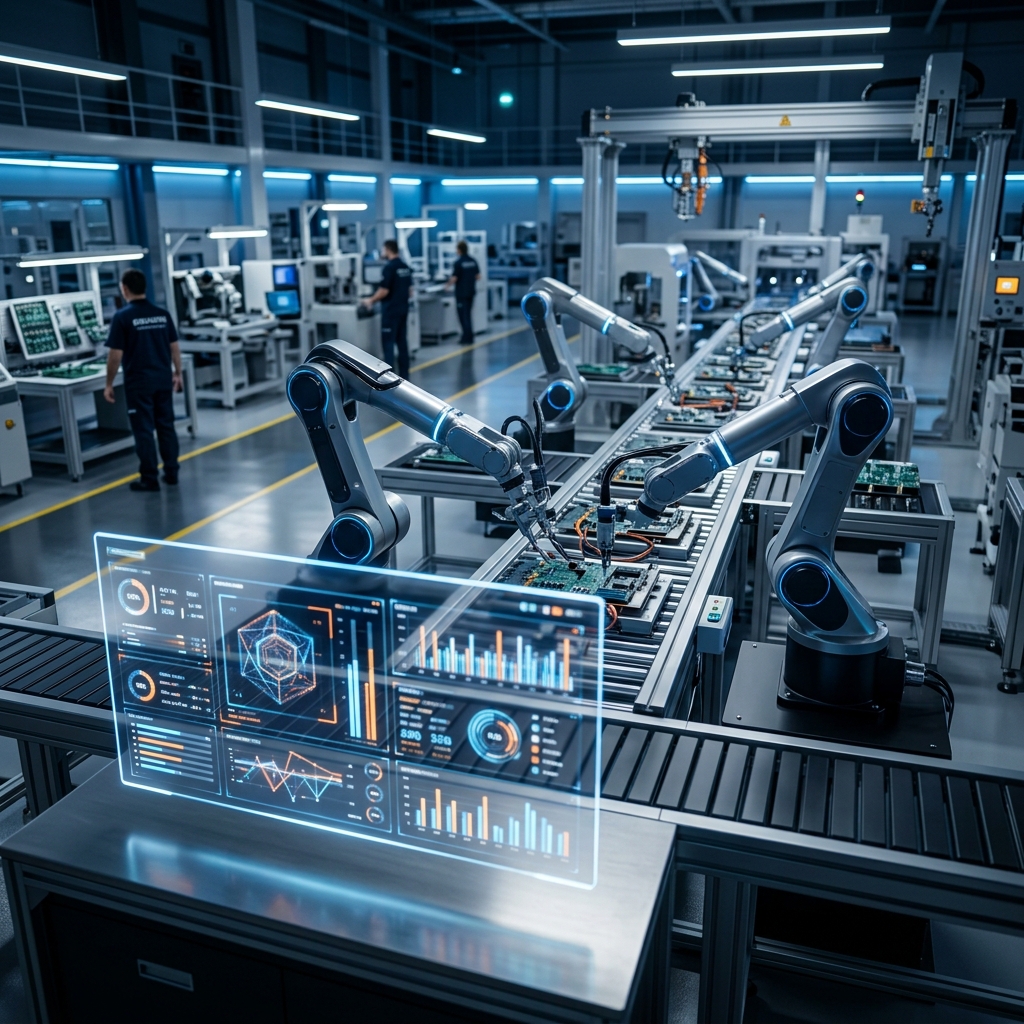
Looking from a first-principles perspective, the technological architecture of a world-class factory is divided into 3 distinct layers that must communicate continuously:
– Management Layer (ERP): The brain that plans business operations, calculates costs, revenue, and plans materials. To understand the importance of this system, refer to what is ERP software.
– Control Layer (SCADA/PLC): The physical muscles performing cutting, turning, stamping, and welding directly on the machines.
– Execution Layer (MES): Positioned in the middle, it acts as an interpreter, passing commands from the ERP to the machines and collecting results and error signals from the machines back to the ERP in real-time.
A real-world example in an electronic assembly plant: The ERP system in the office issues a command to “Produce 10,000 circuit boards.” The MES receives this command and automatically allocates: which SMT machine is available to run the component array, which worker is in charge of Quality Control (QC), and exactly how many reels of chips the material warehouse needs to issue and at what time so the line doesn’t face starvation.
A true MES system goes far beyond merely counting finished products. It must control the physical flow and value transformation of materials through specialized modules:
- Routing & Production Orders: MES, in tight integration with APS software for optimal scheduling, strictly controls sequential or parallel production stages. It ensures ironclad discipline: a worker absolutely cannot move semi-finished products to stage C without scanning to confirm Passed QC at stage B.
- WIP Accounting: This is the biggest headache for Chief Financial Officers. MES accurately records the volume of semi-finished goods on the line (Work-in-Progress) minute by minute. This completely eliminates the need for floor accountants to “estimate” WIP visually at month-end, supporting highly accurate Standard Costing and variance analysis.
- Overall Equipment Effectiveness (OEE): By analyzing 3 core indicators (Availability, Performance, Quality Rate), MES pinpoints exactly whether machines are wasting time due to material jams, slow worker operations, or technically incorrect cutter configurations.
- Traceability: Detailed management by Batch and Serial number. In the food processing industry, MES can trace a defective batch being sold in a supermarket all the way back to which ingredient batch it was produced from, who inspected it, and on which shift.
2. Fatal Bottlenecks When Implementing MES in Vietnamese Factories
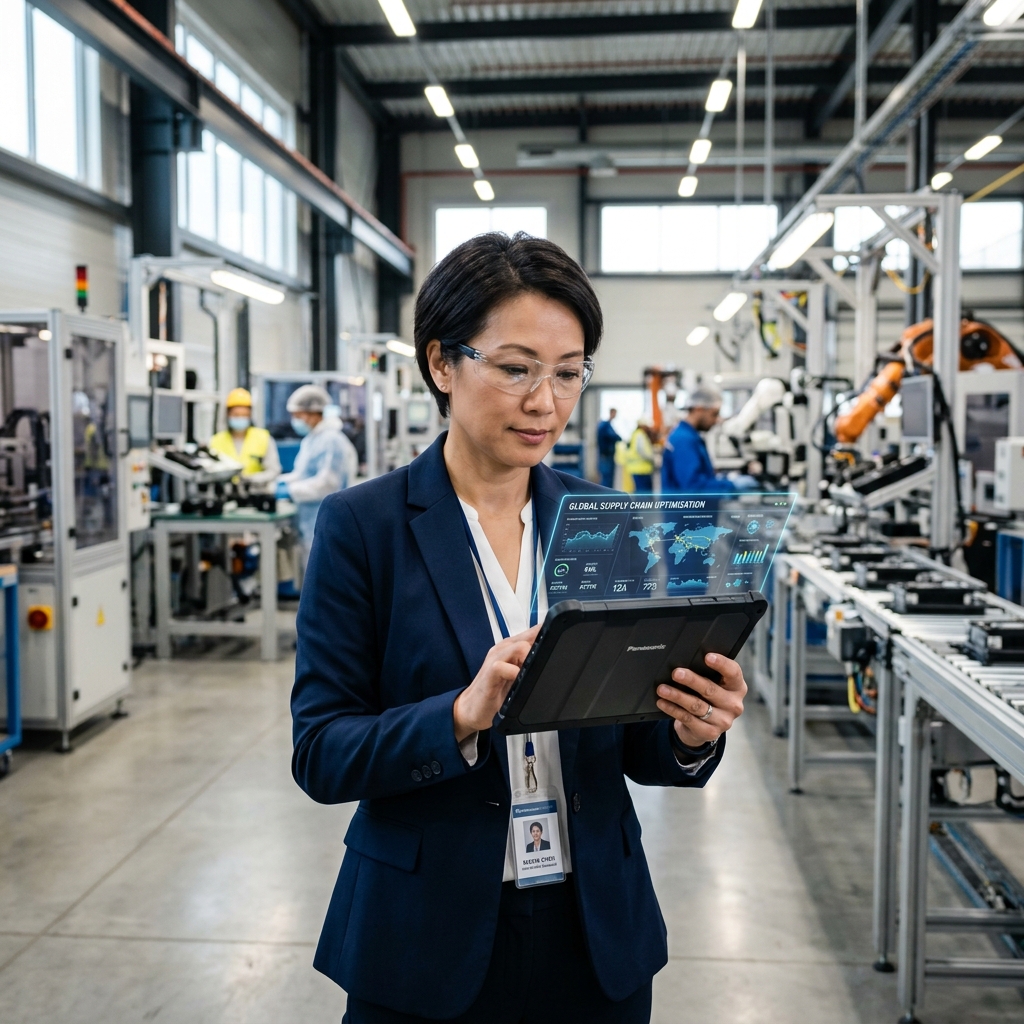
Many factories are willing to invest billions in budget, yet their MES projects still hit a “dead end,” face silent worker strikes, or only utilize 30% of the software’s functionality. Let’s look at the root causes and solutions:
| Risk Symptom | Root Cause | Solution from an MES Implementation Company |
|---|---|---|
| Misalignment between Digitalization and Physical Reality | Software requires absolute linear processes, but on the floor, workers often “skip steps,” process flexibly, or bulk-record data at the end of the shift. | Business Process Reengineering (BPR) prior to digitalization. Set up hard Check-points on the worker’s Terminal that cannot be bypassed. |
| Financial – Production Data Disconnect | MES operates as a Silo. Material consumption data on the floor does not synchronize instantly with accounting software, distorting Absorption Costing. | Deep API integration between MES and the core ERP system. Ensure every floor inventory transaction instantly creates a corresponding ledger entry. |
| Data Capture Bottleneck | Forcing workers to type, select menus, or handwrite too much on touch screens slows down operational tempo and line productivity. | Apply Barcode scanning technology, IoT to pull direct machine signals (PLC), or automatic RFID card scanning to eliminate manual operations. |
3. InfoAsia – MES Implementation Partner and Smart Factory Architecture
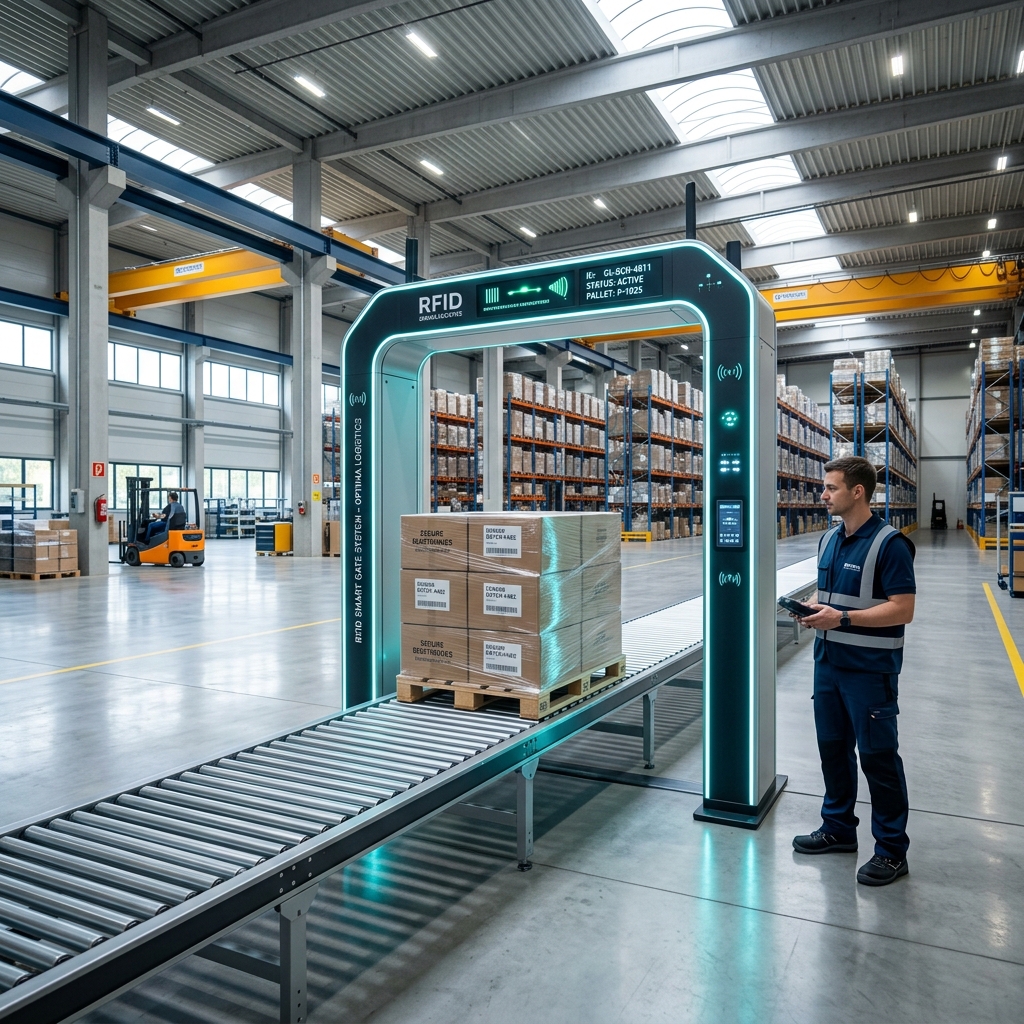
Comprehensively solving the above barriers requires an MES implementation company that isn’t just good at writing code but deeply understands the physical flow, Lean Manufacturing principles, and the factory’s cost structure. InfoAsia affirms its position as a specialized business management consulting and implementation partner, delivering a holistic smart factory architecture.
The Difference in InfoAsia’s Implementation Methodology:
- Top-Down Architecture from Management Goals: InfoAsia designs systems starting from the macro objectives of the Board of Directors (e.g., reducing scrap by 15%, shortening Lead-time). From there, the team breaks down technical requirements and designs extremely streamlined input flows down to each workstation (Beas Manufacturing Terminal) to precisely serve that goal, avoiding redundant features.
- Core Power from SAP ERP & Beas Manufacturing Ecosystem: Unlike isolated MES solutions from smaller vendors, InfoAsia possesses deep expertise in implementing the internationally standardized SAP ERP system. By integrating advanced specialized manufacturing tools like Beas Manufacturing, InfoAsia creates a closed ecosystem. Production output data from the shop floor instantly triggers inventory and costing ledger entries in SAP software without manual intervention from the accounting department.
- Infrastructure Modernization with RFID & IoT: To solve delayed data entry, InfoAsia has the capability to design and plan smart hardware ecosystems. Instead of relying on worker operations, InfoAsia applies RFID ecosystems for large warehouses and assembly lines. Goods passing through magnetic gates are automatically recognized in bulk, instantly triggering software goods receipt/issue commands.
- Open Platform, Big Data Processing: With a robust database structure, InfoAsia’s experts can optimize and fine-tune complex Stored Procedures, ensuring the MES handles millions of records from hundreds of machines daily while maintaining millisecond response times.
Frequently Asked Questions (FAQs)
Q: My factory uses entirely old machinery (no network ports), can we still implement MES?
A: Absolutely. Even if data cannot be extracted directly from the PLCs of old machines, a competent MES implementation company will advise installing external Sensors or using industrial touch Terminals. Workers will report machine statuses (Start, Stop, Error) via basic buttons on the Terminal instead of the machine reporting automatically.
Q: Can the MES system calculate product costs?
A: MES inherently focuses on controlling physical quantities and time (Routing time, Machine time). To achieve Financial Costing, data from the MES must be pushed to the Accounting module of the ERP system. InfoAsia, with its integrated SAP ERP and Beas ecosystem, smoothly solves this problem, automatically absorbing labor costs and machine depreciation into each product batch.
Q: Is it better for a factory to implement MES on the Cloud or On-Premise?
A: Due to the nature of production requiring millisecond response times and zero tolerance for interruptions when fiber optic internet fails, large-scale factories with high automation often prioritize On-Premise (or Edge Computing) architecture for the MES layer. The ERP management layer can be placed on the Cloud for easy access.
Q: How long does it take for an MES implementation project to deliver ROI?
A: Typically 12 to 18 months. The largest savings come from reducing Buffer WIP inventory, completely eliminating defective products from reaching the end of the line, and optimizing the Idle time of high-value machinery thanks to transparent OEE data.
Conclusion
Digitalizing a production floor is not a software purchase transaction; it is a journey to establish new operational discipline for hundreds of people. Partnering with an MES implementation company possessing the professional capability to perfectly connect the machinery layer, execution software, and the financial ERP core like InfoAsia is a strategic move. Register today to experience a Demo of a Manufacturing Execution System (MES) customized specifically for your factory’s operational layout at INFOASIA, and breakthrough your competitive capacity in the Industry 4.0 era.

InfoAsia Việt Nam trở thành nhà cung cấp dịch vụ phần mềm số hóa nhà máy sản xuất cho thương hiệu giày hàng đầu thế giới NEW BALANCE
Công ty TNHH Mây Tre Hà Linh
SAP ERP MES and IOT Project for FVIV Factor
Buwon Industry Co, Ltd
KANGLONGDA VIETNAM PROTECTION TECHNOLOGY COMPANY LIMITED
Shini Group
TA TING PLASTIC (HAI DUONG ) CO., LTD
CÔNG TY TNHH MTV BIÊN HOA SCM