




You are sitting in the director’s office of a manufacturing company with 150 employees, having a headache looking at a pile of month-end reports. The accounting department reports revenue one way, the factory floor reports material consumption another way, and the warehouse keeper is struggling to find last week’s shipment. You have purchased 3-4 cheap, disjointed software solutions to patch things up, but they completely fail to communicate with each other, forcing your employees to manually “copy-paste” data until they are exhausted. Many SME (Small and Medium Enterprise) directors still fear “giants” like SAP, assuming it is a cash-burning game reserved for billion-dollar corporations. It is time to shatter that prejudice to save your cash flow and your growth speed.
Key Takeaways:
SAP absolutely offers a tailor-made version specifically for Small and Medium Enterprises (SMEs) named SAP ERP, featuring extremely reasonable implementation costs that are not as expensive as the corporate edition. Implementing this global technology solution helps SMEs standardize their core processes from the very early days, avoiding the scenario of the organization swelling up and having to be rebuilt from scratch, wasting billions of dong. The biggest selling point of SAP ERP for SMEs lies in its ability to seamlessly interconnect data in real-time across specialized departments. This completely automates manual data entry operations, thereby ending the chronic problem of mismatched figures between departments. Implementing SAP early is the most prestigious passport helping Vietnamese SMEs score points when negotiating manufacturing contracts with highly demanding global FDI partners.
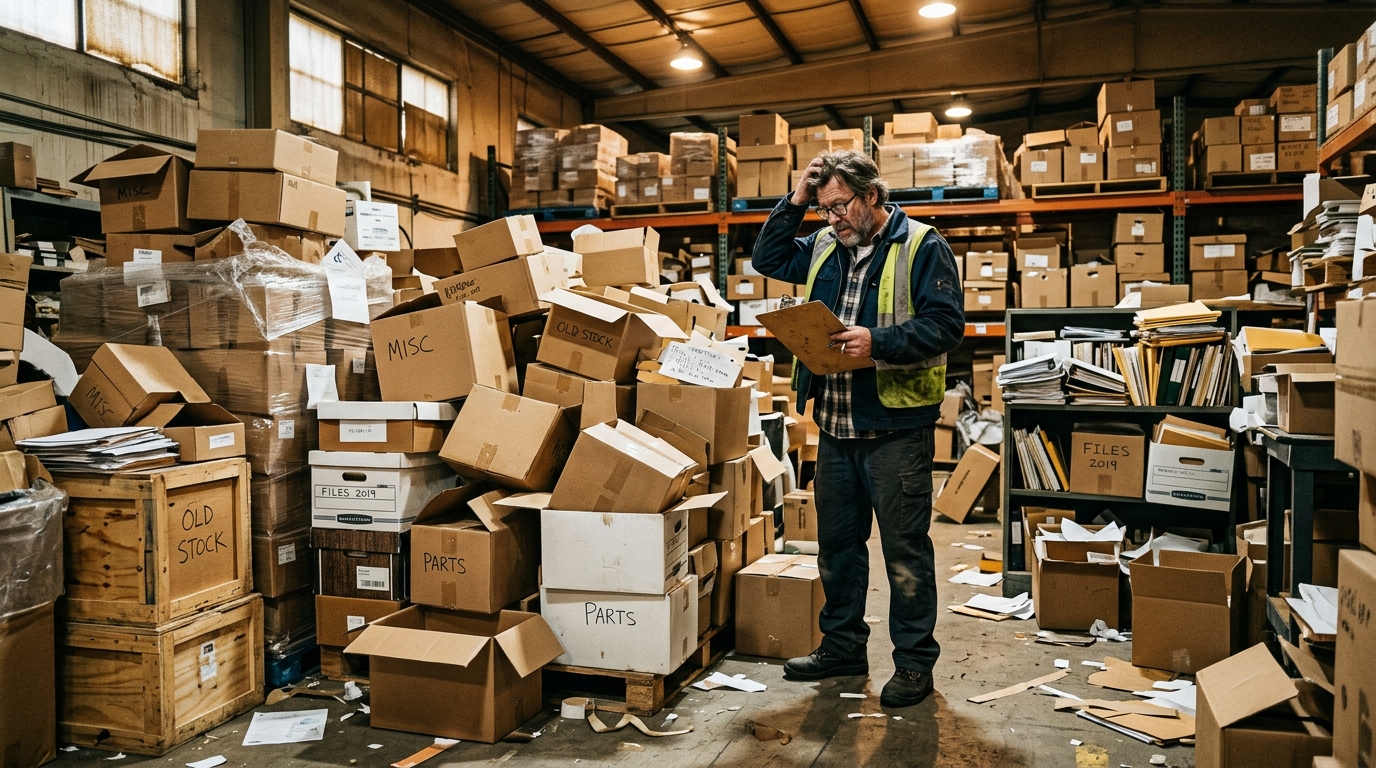
The Pain of SMEs Using Patched-up Software
A fatal mistake made by 80% of SMEs in Vietnam is the mindset of “saving every penny possible” when investing in management software solutions. Initially, companies often choose to buy a 5-million-dong accounting software, then purchase an additional 10-million-dong warehouse management software, and finally hire a third party to write a sales management tool. The direct consequence of this patchwork mindset is that you end up with a tangled mess of disconnected systems, leading to data being “siloed” in separate departments. When the sales team closes a deal, an employee has to manually type the order information into the accounting software, and then the warehouse keeper has to type it again to create a goods issue note. This repetitive data entry process not only drains labor and wastes useless time, but also generates countless human errors, leading to a severe loss of control over goods and cash flow leakage without the director even knowing.
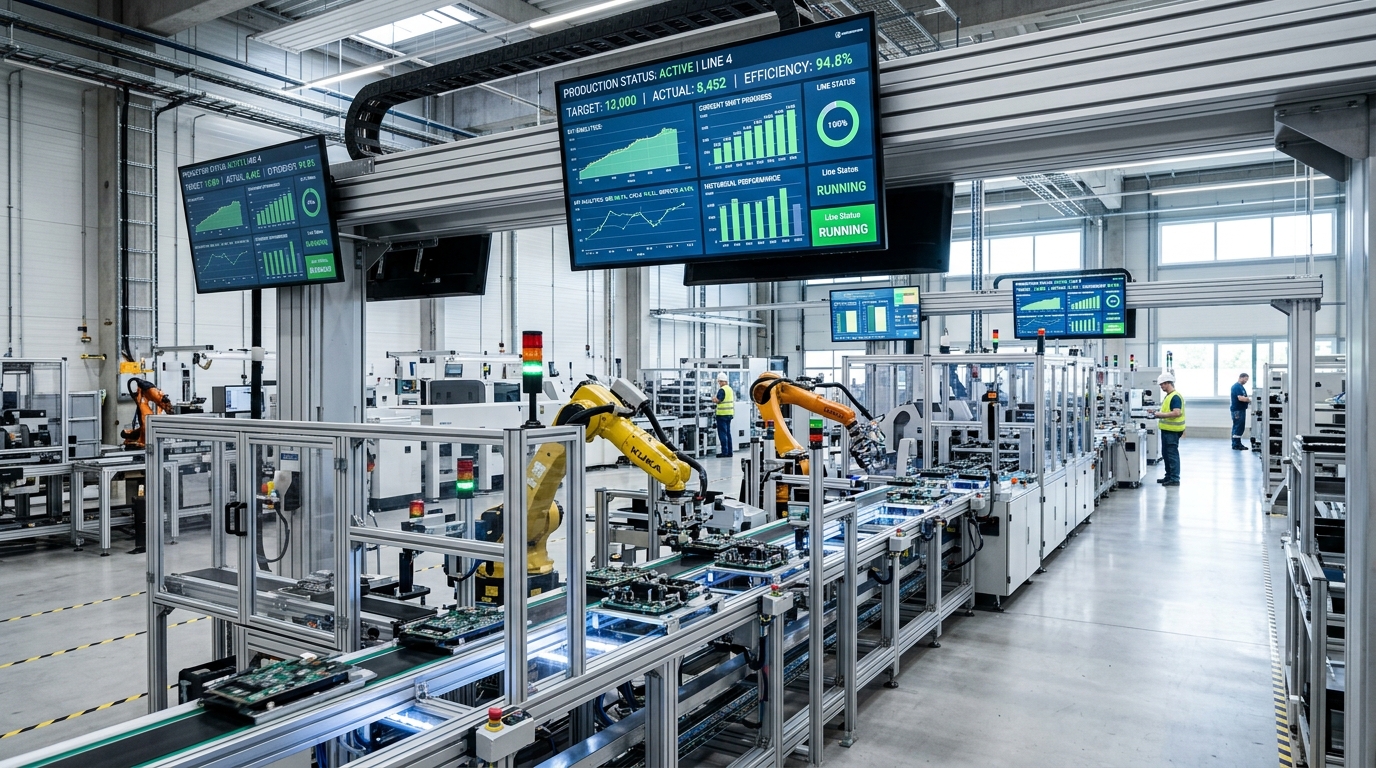
SAP ERP: The ERP Solution for SMEs
Instead of trying to force SMEs to “wear a tight shirt” or “swim in an oversized shirt”, SAP designed a highly optimized module specifically named SAP ERP. The greatest strength of this ERP solution is its ability to tightly integrate all core business operations (Finance, Purchasing, Sales, Inventory, Manufacturing) into a single database platform. Any economic transaction occurring on the factory floor instantly reflects on the finance department’s balance sheet without anyone having to do manual reconciliation. This Real-time update mechanism allows SME directors to clearly see the comprehensive “health” of the enterprise through a Dashboard on their mobile phones anytime, anywhere. It completely frees employees from making manual reports on Excel, helping them focus 100% of their mental energy on data analysis and business strategy consultation for the board of directors.
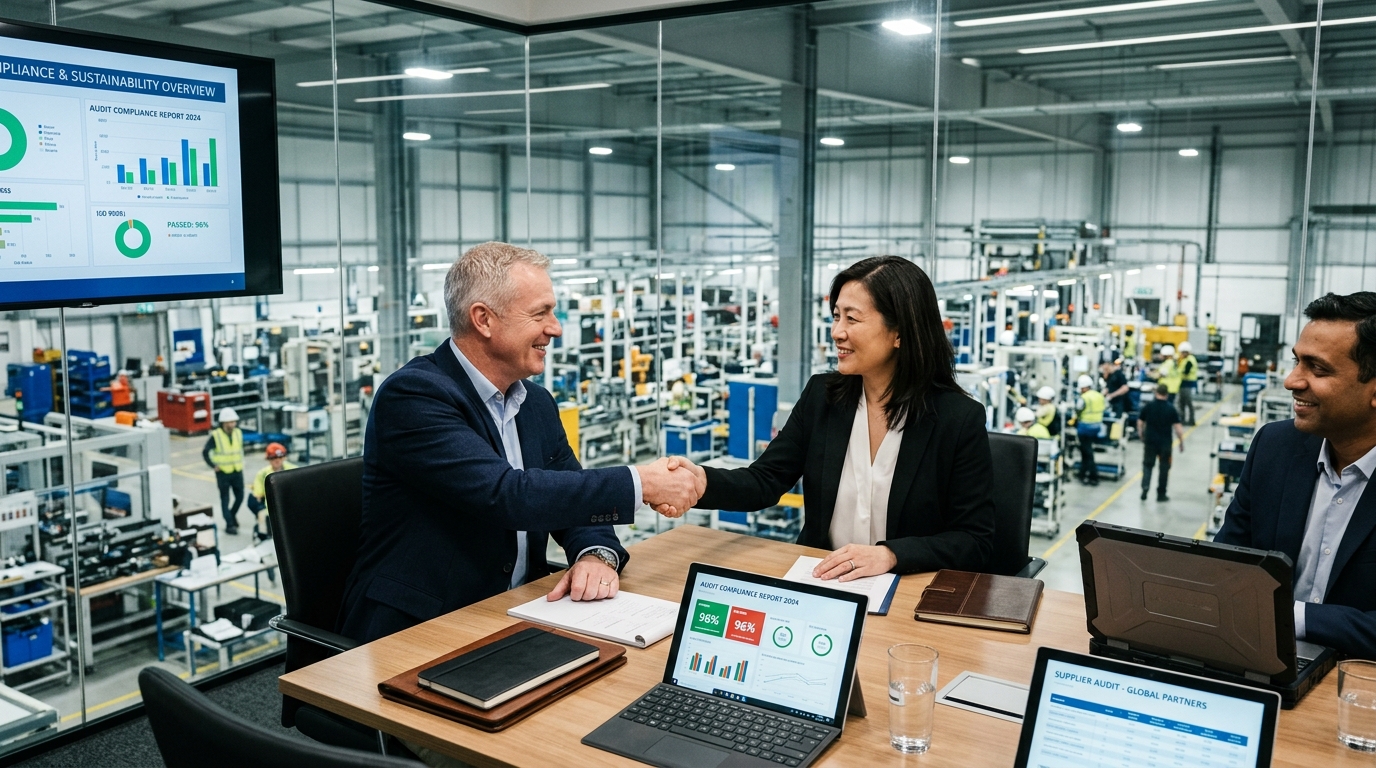
Comparison Table: Patched-up Domestic Software vs SAP ERP (ERP)
| Technical Criteria | Disjointed Domestic Software | SAP ERP (For SMEs) |
|---|---|---|
| Data Interconnectivity | Poor. Data is isolated in departments, requiring manual reconciliation via Excel. | Absolute. One click synchronizes real-time data across all departments. |
| Scalability | Very limited. Hits a dead end when the business scales quickly, often requiring a new system. | Infinitely scalable. Easy to add accounts, purchase more modules, or upgrade. |
| Reporting & Analysis | Rigid templates. Accountants spend days consolidating month-end data with high error rates. | Provides multi-dimensional real-time Dashboards. Users create custom reports in 5 seconds. |
| International Standards (FDI) | Not highly evaluated by foreign partners regarding security and supply chain transparency. | Meets global security standards. A passport to easily pass strict audits. |
5 Case Studies Proving SAP’s Power in SMEs
To see the practicality of this technology in business life, let’s break down the following 5 classic scenarios:
1. Real-time Inventory Matching:
An SME medical equipment distribution company has 3 warehouses in 3 regions but manages them using outdated accounting software. As a result, the computer shows 500 blood pressure monitors in stock, but a physical check reveals only 300 because goods were shipped but the storekeeper forgot to enter the data. A customer orders 400 units, the Sales staff confidently closes the deal and collects money, but upon delivery, there is no stock, forcing the company to pay a 200-million-dong contract penalty. Upon successfully implementing SAP ERP, every goods issue/receipt is barcoded and deducted from inventory instantly. The system automatically locks sales orders if inventory drops below the safety level, completely eliminating short selling and reducing inventory discrepancy from 15% to under 0.5% after just 2 months of operation.
2. Absolutely Accurate Manufacturing Costing:
Your precision machining factory specializes in Make-to-Order manufacturing, producing 50 different product codes every month with thousands of small components. Relying on Excel spreadsheets, the accounting department usually has to wait until the end of the month to gather enough electricity, water, and auxiliary material bills to allocate and calculate product costs. This delay means quotes given to customers often result in losses because accountants always miss the scrap waste costs incurred on the line. When using the SAP system, the software automatically gathers all direct and indirect costs incurred right during each machine operation stage, then calculates them using the Activity-Based Costing method. As a result, the board of directors can clearly see the profit margin of each product code as soon as it leaves the assembly line, helping the company immediately eliminate 3 product lines that were “eating” losses without anyone noticing for a long time.
3. Automating the Purchasing Approval Process:
At a 200-employee textile company, the ink purchasing process is always bottlenecked because the Director is on a business trip and cannot manually sign the paperwork. This mechanical delay forces the factory to halt machines waiting for materials, wasting 3 precious production days for the business. To completely solve this issue, SAP digitized the entire purchase request process using an electronic Workflow system right on the Mobile App. As soon as the material stock drops below the Min level, the system automatically generates a purchase proposal and pushes a notification (Noti) directly to the Director’s phone anywhere, anytime. With just a secure fingerprint swipe confirmation, the purchase order is automatically sent straight to the supplier’s system within 3 minutes, helping the factory save 120 hours of useless waiting per month and completely eliminating the bulkiness of traditional paperwork mountains.
4. Asserting Position Before FDI “Eagles”:
A plastic injection molding enterprise in Bac Ninh struggled to bid as a Tier 1 Vendor for Samsung but was continuously rejected at the IT system audit round. Evaluators from Japan and Korea absolutely do not accept factories tracing batch origins using handwritten ledgers because the risk of data alteration is too high. After the board of directors boldly took a loan to invest in implementing SAP ERP, the entire tracing process from input plastic pellets to output finished products was fully transparent on a digital database. Thanks to this solid technological passport, the company not only excellently passed the strict audit test but also signed a 3-year exclusive contract worth 50 billion dong, compensating 20 times the initial software investment cost.
5. Freeing Accountants from Month-End “Hell”:
During every month-end closing period, the 5-person accounting department of an FMCG distribution company had to work overtime continuously until 10 PM for 7 days. Because sales and accounting data resided in two completely different software systems, they had to export data to Excel files and use VLOOKUP functions to match numbers, which was extremely exhausting and carried a high risk of mismatch errors. When the enterprise comprehensively transitioned to SAP, all accounting transactions were automatically posted in the background at the exact moment the Sales staff created a sales invoice for the dealer. Thus, the massive chain of month-end closing operations was shortened by the system to just 4 hours instead of 7 days. This reform freed up the labor of 5 accountants so they could focus on collecting bad debts, helping the business strongly improve its cash flow by 30% in just the first quarter.
5 Tough Questions from SME Directors (FAQs)
When considering the budget for a core digital transformation project, your concerns are completely justified. Let’s go straight to the most sensitive issues:
1. How much does it cost to implement SAP ERP for a 100-person company, is it up to several billion dong?
The project cost depends entirely on the number of User Licenses and the complexity of the business processes you want to apply. Unlike the massive SAP S/4HANA version for billion-dollar corporations, SAP ERP has an extremely breathable price tag for SMEs. Typically, a basic ERP implementation package for 5-10 users only ranges around a few hundred million dong, exactly equal to one year’s salary of a middle manager. However, the value received is that you own a system that will endure the test of time.
2. My company’s processes are very messy, and staff IT skills are weak; can we use SAP?
Software is just a supporting tool; management processes are the soul of the business. The biggest strength when you decide to buy SAP is that you are buying the “Global Best Practices” distilled from hundreds of thousands of successful enterprises worldwide. You do not have to waste effort inventing processes yourself; the consulting experts will directly help “straighten” your mess according to international standards. Factory personnel only need to undergo a 2-week training course to be able to operate smoothly because the current software interface is designed to be extremely user-friendly.
3. We are used to old accounting software, if we switch to SAP now, will our historical debt data be completely lost?
There is absolutely no data loss when an enterprise decides to switch software. The SAP implementation process always includes an extremely important technical step called Data Migration. IT experts will use special toolkits to help you extract and clean all inventory, debt, and customer catalog data from the old software. Then, all these figures will be pushed to the new SAP system with absolute safety, ensuring the continuity of the business flow is never interrupted.
4. After using SAP ERP, if my company grows into a large corporation later, will the system be overloaded?
The core architecture of the SAP software system is designed to serve flexible Scalability according to the company’s growth. When your business swells, you can easily purchase additional Licenses for new personnel, or activate advanced modules (such as Advanced Production Management, WMS) without having to tear down the old technology platform. Even if your scale expands into a multinational corporation, you can smoothly execute an upgrade process to higher-end versions of the SAP ecosystem while keeping the historical data flow intact.
5. Rumor has it that ERP implementation failure rates are very high, how can I be sure my investment money won’t be thrown out the window?
The risk of failure in a technology project usually comes from the business choosing the wrong implementation partner, or because the board of directors is not decisive enough to force personnel to change their old, manual working habits. To ensure a 100% success rate, you must find a consulting partner who deeply understands the specific characteristics of your industry, not just pure software installers. Furthermore, the determination to change from the top leader combined with the practical implementation capability of the technology unit is the golden key to preventing any failure.
Clinging to cheap, patched-up software is silently eating away your profits and losing your business’s opportunity to reach the big ocean. Register to experience a Demo of the SAP ERP solution customized specifically for your factory’s operational diagram at INFOASIA to see how different the data processing speed is.

InfoAsia Việt Nam trở thành nhà cung cấp dịch vụ phần mềm số hóa nhà máy sản xuất cho thương hiệu giày hàng đầu thế giới NEW BALANCE
Công ty TNHH Mây Tre Hà Linh
SAP ERP MES and IOT Project for FVIV Factor
Buwon Industry Co, Ltd
KANGLONGDA VIETNAM PROTECTION TECHNOLOGY COMPANY LIMITED
Shini Group
TA TING PLASTIC (HAI DUONG ) CO., LTD
CÔNG TY TNHH MTV BIÊN HOA SCM